Honoring Hispanic Heritage Month
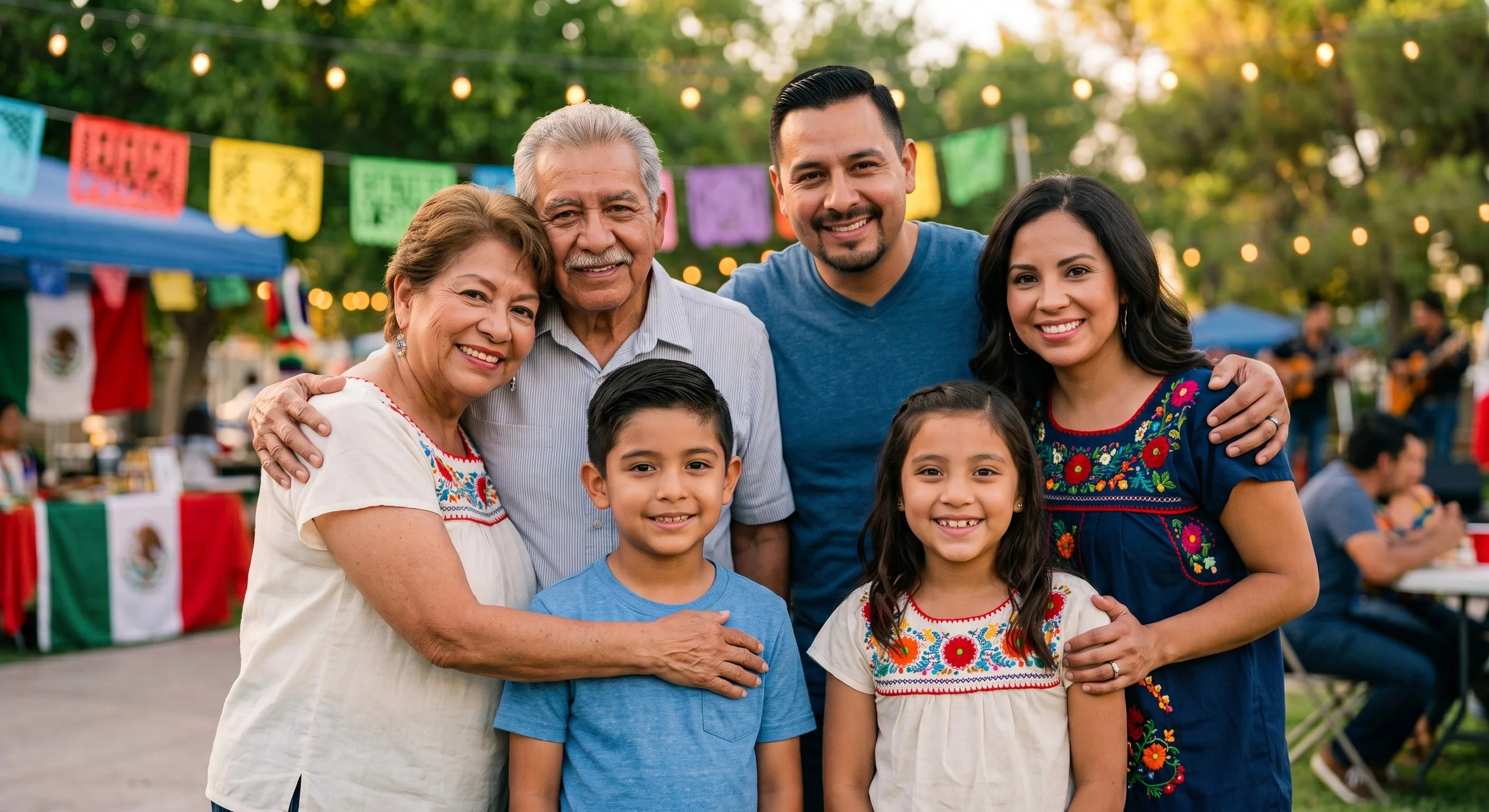
Celebrating Culture, Strengthening Mental Health, and Building Generational Resilience
Every year from September 15 through October 15, communities across the United States recognize National Hispanic Heritage Month, a time to celebrate the histories, cultures, traditions, achievements, and contributions of Hispanic and Latino communities.But Hispanic Heritage Month can also be an opportunity to have a different kind of conversation: one about mental health, emotional wellness, family, identity, community, and access to care.
Culture influences how we understand ourselves, how we communicate, how we express emotions, how we respond to stress, how we care for family members, and sometimes how comfortable we feel asking for help. For many Hispanic and Latino individuals, mental health can exist at the intersection of cultural identity, immigration experiences, language, family expectations, generational differences, discrimination, financial stress, faith, resilience, and community.
Celebrating Hispanic Heritage Month therefore means more than recognizing cultural accomplishments. It can also mean creating space for honest conversations about emotional well-being and making mental health support more accessible, understandable, and culturally responsive. At Arevalo Counseling & Mentoring, PLLC, we believe mental health conversations should meet people where they are. That includes recognizing the individual, family, cultural, and community experiences that shape each person's story
The History and Heritage of Hispanic Heritage Month
Hispanic Heritage Month has its roots in a national observance that began in 1968 as Hispanic Heritage Week under President Lyndon B. Johnson. In 1988, Congress expanded the observance from one week to a 30-day period, and President Ronald Reagan signed the legislation establishing the expanded observance. The month now runs from September 15 through October 15.
The September 15 start date is historically significant because it marks the independence anniversaries of Costa Rica, El Salvador, Guatemala, Honduras, and Nicaragua. Mexico celebrates its independence on September 16, while Chile celebrates its independence on September 18.The observance recognizes people whose heritage traces to Spain, Mexico, the Caribbean, Central America, South America, and other Spanish-speaking regions.
It is also important to recognize that the terms Hispanic, Latino, Latina, Latine, and Latinx are not interchangeable for everyone. People may identify according to their country of origin, nationality, family history, ethnicity, language, or another identity altogether.
There is no single Latino experience. A Mexican American family in Nevada may have a very different cultural experience from a Puerto Rican family in New York, a Cuban American family in Florida, a Salvadoran family in California, or a Venezuelan family who recently immigrated to the United States. That diversity matters in mental health care.
Latino Mental Health: Why the Conversation Matters
Mental illness does not discriminate based on ethnicity or culture. However, the way mental health concerns are experienced, expressed, understood, and treated can vary considerably across communities. Latino communities may experience many of the same mental health concerns found throughout the broader population, including anxiety, depression, trauma, grief, substance use, relationship difficulties, stress, and suicidal thoughts.
At the same time, cultural and social factors can influence whether someone recognizes these experiences as mental health concerns and whether they feel comfortable seeking professional support. Some individuals may have grown up hearing messages such as:
"Keep it in the family."
"Other people have it worse."
"Be strong."
"Pray about it."
"You don't need therapy."
"You just need to push through."
Family loyalty, faith, responsibility, perseverance, and sacrifice can be powerful sources of strength. They can provide connection, identity, meaning, and resilience. However, when these strengths become the only acceptable ways of coping, individuals may feel that acknowledging emotional pain represents weakness, selfishness, or failure. Mental health care does not have to replace cultural values. Ideally, culturally responsive care creates space for individuals to examine what is helpful, what may no longer be serving them, and what they want to carry forward.
Latino Mental Health Statistics Across Generations
Statistics do not tell the entire story, but they can help us understand why mental health awareness and access to care matter.
Latino Teens and Young People
Adolescence is already a period of significant emotional, social, and developmental change. Young people may also be navigating cultural identity, family expectations, academic pressure, social media, discrimination, immigration-related stress, language differences, and questions about belonging.
According to the CDC's 2023 Youth Risk Behavior Survey, 42% of Hispanic high school students reported persistent feelings of sadness or hopelessness. Approximately 26% reported poor mental health during the past 30 days. The same data found that 18% of Hispanic students seriously considered attempting suicide, while 16% made a suicide plan.
There was some improvement from 2021 to 2023, but the numbers remain significant.
For parents and caregivers, these statistics reinforce an important point: emotional changes in teenagers should not automatically be dismissed as "just adolescence."
Withdrawal, irritability, sleep changes, academic decline, loss of motivation, increased anger, changes in appetite, excessive screen use, or suddenly avoiding friends and family can sometimes signal that a young person is struggling.
This is one reason we have previously explored adolescent mental health, transitions, and emotional regulation in our ACM blog article Supporting Teens and Graduates Through Summer Time Transitions and our discussion of Back-to-School Stress and Anxiety. Early conversations matter.
Latino Adults and Young Adults
Mental health needs do not disappear when someone graduates from high school. Young adulthood can bring college, employment, relationships, marriage, parenting, financial pressure, immigration concerns, caregiving responsibilities, and the challenge of defining one's own identity while remaining connected to family and cultural expectations.
In Latino culture, distress is frequently expressed as nervios (nervousness) or physical ailments like headache and stomach distress rather than clinical depression. In our blog post Stress Less, Thrive More!, we emphasize that recognizing physical symptoms as emotional warning signs is the first step toward reclaiming physical and mental balance.
According to NAMI's most recent national statistics, 20.7% of Hispanic or Latino adults experienced mental illness in 2024. However, access to treatment remains an important concern. SAMHSA reported that in 2024, among adults with any mental illness, 44.1% of Hispanic adults received mental health treatment, compared with 57.9% of non-Hispanic White adults.
This difference is not simply about whether someone "wants therapy.” Access can be affected by insurance, cost, transportation, language, availability of culturally responsive providers, work schedules, childcare, immigration-related concerns, stigma, lack of information, and previous experiences with healthcare systems.
NAMI also identifies significant treatment disparities among Hispanic young adults ages 18 to 25 with serious mental illness. These numbers remind us that increasing awareness is only one part of the solution. People also need practical pathways to care.
Older Latino Adults
Mental health remains important throughout the lifespan. Older adults may experience retirement, changes in physical health, caregiving responsibilities, bereavement, changing family roles, social isolation, mobility limitations, financial concerns, and significant changes in independence.
Depression is not a normal part of aging, even though symptoms may sometimes look different in older adults. There is less current national data specifically separating Latino adults age 65 and older from other populations, which itself highlights an important research gap. However, research examining depression among older Hispanic adults has found elevated odds of positive depression screening among several Hispanic subgroups compared with non-Hispanic White older adults, even after accounting for factors such as age, income, education, marital status, health status, and chronic conditions.
For older Latino adults, cultural connection can be an important protective factor.Family relationships, faith communities, language, music, food, traditions, storytelling, volunteering, intergenerational relationships, and connection to one's community can all contribute to meaning and belonging. At the same time, family members should not assume that an older relative is simply "getting older" when they notice persistent withdrawal, loss of interest, changes in sleep or appetite, hopelessness, confusion, or significant changes in functioning. Sometimes what appears to be physical decline, irritability, or disengagement may warrant a closer conversation about emotional health.
Culture, Family, and Mental Health
For many Latino families, the concept of community is central to well-being. Familismo, or the importance placed on family relationships and collective responsibility, can provide a powerful protective factor. Knowing that family members are available during difficult times can reduce isolation and create a sense of belonging. Faith and spirituality can also be significant sources of strength. However, cultural values can sometimes become complicated when individuals feel caught between generations or between cultures.
A teenager may speak primarily English while their grandparents speak primarily Spanish. A first-generation young adult may feel pressure to succeed because of sacrifices made by parents. A parent may struggle to understand why their adult child wants boundaries that feel unfamiliar. An older adult may feel disconnected from younger family members whose lives and values have changed.
These experiences do not automatically indicate a mental health disorder. They do, however, create opportunities for communication, curiosity, and reflection. Therapy should not require someone to abandon their culture. Culturally responsive therapy asks a different question:
How can we understand the person's cultural world well enough to make treatment meaningful to them?
Honorable Mentions: Latinos Transforming Mental Health and Community Advocacy
Throughout history and in modern society, Latino leaders, researchers, and advocates have made pioneering contributions to psychology, psychiatry, and community wellness. Here are 10 honorable mentions whose work inspires our clinical practice daily:
Dr. Martha Bernal (1931–2001) was the first Mexican American woman to earn a PhD in psychology. Her research examined ethnic identity among Mexican American children, and she helped establish the National Hispanic Psychological Association. Her career also challenged psychology to take multicultural training more seriously.
Dr. Margarita Alegría has conducted influential research examining mental health disparities, culture, immigration, and access to care among diverse populations, including Latino communities. Her work has helped demonstrate that mental health cannot be separated from social conditions, culture, language, and access to appropriate treatment
Dr. Helen Rodríguez Trías (1929 -2001) was a Puerto Rican physician, public health advocate, educator, and community leader. She became the first Latina president of the American Public Health Association and advocated for women, children, people living with HIV and AIDS, and underserved communities.Her legacy reminds us that mental and physical health are inseparable from social conditions, access to healthcare, dignity, and community empowerment.
Dr. Armando Morales (1932-2008) was a pioneering clinical social worker, educator, activist, and scholar whose work helped advance culturally responsive mental health care for Spanish-speaking communities. At UCLA, he helped establish the first psychiatric clinic specifically serving Spanish-speaking patients at the UCLA Neuropsychiatric Institute. His work addressed significant gaps in access to culturally and linguistically appropriate psychiatric services and highlighted the importance of understanding patients within their cultural, family, and community contexts.
Dr. Pedro Ruiz (1936-2023) was a prominent psychiatrist, educator, researcher, and mental health advocate who has played an important role in advancing the representation of Hispanic and other minority communities within psychiatry. He served as President of the American Psychiatric Association and has held leadership positions focused on improving psychiatric education, clinical practice, and access to mental health care. His work has also included international psychiatric collaboration and efforts to strengthen mental health systems and professional standards.
These leaders represent only a small portion of the many Latino professionals, advocates, educators, healthcare workers, artists, parents, organizers, and community members who have contributed to mental health and public well-being. For additional prominent Audaces Líderes, you can visit: https://www.apaf.org/library-archives/galleries/audaces-lideres-hispanic-pioneers-in-american-psychiatry/
Hispanic Heritage Month Celebrations in Las Vegas, NV
Living in Southern Nevada offers a rich vantage point for celebrating Hispanic Heritage Month. Las Vegas is home to a dynamic and growing Latino community that enriches our region's culture, economy, and neighborhood vitality. Engaging in cultural events fosters connection, reduces isolation, and strengthens community well-being.
Here are local activities and events happening across the Las Vegas valley during Hispanic Heritage Month 2026:
Clark County Nevada: Various events listed.
City of North LasVegas: Various events listed.
Las Vegas-Clark County Library District Events: Throughout September and October, local library branches (including East Las Vegas Library and West Las Vegas Library) host bilingual storytimes, folk dance performances, craft workshops, and author panels. These events are free and family-friendly.
Fiestas Patrias at The District & Downtown Las Vegas: Celebrate Mexican Independence Day around September 15th and 16th with live Mariachi performances, traditional dance (baile folklórico), and food festivals showcasing authentic cuisine from across Mexico and Central America.
SAMS (Southern Nevada Hispanic Employment Program) Community Festivals: Local community organizations host health fairs, educational workshops, and career expos that pair cultural celebration with free health screenings and community resources.
Nevada State Museum & Cultural Center Arts Exhibits: Explore curated art exhibits featuring local Hispanic and Latino artists residing in Nevada. These showcases highlight contemporary themes of migration, identity, family resilience, and desert landscapes.
The Springs Preserve Hispanic Heritage Celebration: A popular annual family gathering that features cultural displays, live musical acts, storytelling, and interactive nature walks highlighting native plants utilized in traditional healing practices.
Las Vegas Review Journal: Various events listed.
Participating in these local festivities allows individuals and families to build social support networks. Strong community ties serve as a powerful protective factor against depression and anxiety.
Final Thoughts
Hispanic Heritage Month is a celebration of history, culture, identity, resilience, family, achievement, and community. It is also an opportunity to recognize that mental health is part of overall health and that every generation deserves access to meaningful support. For Latino youth, adults, and older adults, culturally responsive mental health care can create space to explore anxiety, depression, grief, trauma, relationships, identity, family expectations, life transitions, and the many experiences that shape emotional well-being. This September and October, consider taking one small step toward greater mental wellness: start a conversation, check in with someone you love, attend a community event, learn about available resources, or reach out for professional support.

Reach out to us today!
If you or a loved one are feeling overwhelmed, navigating anxiety, managing family stress, or seeking a safe space to grow, you do not have to walk this path alone. Take the first step toward lasting wellness today. Schedule your free 15-minute consultation call with Arevalo Counseling & Mentoring, PLLC and let us support your journey toward healing.
Further Reading and Resources
For Teens:
I'm Not Broken: A Memoir by Jesse Leon
A raw, inspiring memoir detailing a young Latino’s journey through trauma, addiction, and recovery to higher education and advocacy.
The Complete Teen Mental Health Workbook: ACT, CBT & DBT Skills To Reduce Anxiety and Depression, Manage Stress, and Build Emotional Resilience (Teen Life) by River Ellington
A practical, skills-based workbook that uses ACT, CBT, and DBT strategies to help teens manage anxiety, depression, stress, and emotional challenges while building resilience and healthier coping skills.
A culturally relevant workbook designed to help Latina and Hispanic teen girls manage anxiety and overthinking while strengthening self-esteem, confidence, self-acceptance, and connection to their identity.
For Adults:
Self-Care for Latinas: 100+ Ways to Prioritize & Rejuvenate Your Mind, Body, & Spirit by Raquel Reichard
A culturally relevant self-care guide offering practical ways for Latinas to prioritize their mental, emotional, physical, and spiritual well-being across multiple areas of their life.
Mamá Didn't Raise a Pendeja: A Book of Anti-Affirmations Inspired by Tough Latinas by Carolina Acosta, Aralis Mejia, et al.
A humorous and culturally expressive book that uses “anti-affirmations” to encourage confidence, self-worth, boundaries, and empowerment among Latinas.
Chicken Soup for the Latino Soul: Celebrating La Comunidad Latina by Jack Canfield, Mark Victor Hansen, and Susan C. Sánchez-Casal
An inspiring collection of personal stories that celebrates Latino culture, family, spirituality, identity, resilience, bilingualism, and the challenges and triumphs of the Latino experience in the United States.
For Older Adults:
The Hispanic Federation provides a collection of mental health resources intended to connect Hispanic and Latino communities with culturally and linguistically relevant support.
Free program offering accessible mental health resources and generational storytelling tailored to Hispanic and Latino communities.
The Grief Recovery Handbook: The Action Program for Moving Beyond Death, Divorce, and Other Losses by John W. James and Russell Friedman
An empathetic, step-by-step guide to resolving past grief, ideal for older adults processing life transitions, loss of loved ones, or changing health.
Disclaimer: The suggestions provided above are solely for informational purposes only and is not a substitute for professional medical or psychological advice, diagnosis, or treatment. Please consult a healthcare provider for personalized support.s. Neither I nor this platform has any financial or other affiliation with the authors, publishers, or distributors of these materials. Please choose resources that best suit your unique needs and preferences. The links to external websites that are not maintained or controlled by ACM, PLLC. These links are provided for informational purposes only and do not constitute an endorsement or guarantee of the content, accuracy, or safety of the linked websites. By clicking on any external link, you acknowledge and agree that ACM, PLLC is not responsible for the privacy practices, security, or content of external sites. We encourage you to review the terms, conditions, and privacy policies of any third-party websites you visit.
Join the Conversation!
What is one tradition, value, person, or cultural experience that has contributed to your emotional strength and sense of belonging? And how can we create more open conversations about mental health within our families and communities? Share your thoughts, reflections, or questions in the comments below!
Share your thoughts, questions, or personal experiences in the comments below!