Self-Care is Healthcare

Cultivating a Lifelong Practice for Mental and Emotional Well-Being
In our fast paced modern society, it is incredibly easy to get swept up in the relentless tide of daily responsibilities. We manage demanding careers, navigate academic pressures, support family members, and strive to meet social expectations. Somewhere in the middle of this constant balancing act, our own physical, mental, and emotional health can easily fall to the bottom of the priority list. Many people mistakenly view taking time for oneself as an indulgence or a luxury reserved for moments of complete exhaustion.
However, true wellness requires a shift in perspective. Caring for your mind and body is not selfish nor an afterthought. It is a fundamental necessity.
July brings a powerful reminder of this truth as communities around the globe prepare to recognize International Self-Care Day. This global awareness initiative serves as an invitation to pause, reassess our habits, and intentionally rebuild our relationship with personal wellness. At Arevalo Counseling & Mentoring, PLLC, we frequently see how chronic stress and emotional neglect can wear down a person’s resilience. Whether you are a teenager navigating the social pressures of high school, an adult balancing career milestones, or an older adult adapting to a new chapter of life, practicing intentional wellness is the cornerstone of sustainable mental health.
The Meaning Behind July 24: The Power of 24/7 Wellness
During the school year, teens rely on routines that naturally regulate sleep, social interaction, physical activity, and responsibilities. Once summer arrives, those structures disappear. While a break feels refreshing initially, extended disruption may contribute to emotional distress.
Recognizing the Signs of Summer Break Anxiety
The choice of July 24 as International Self-Care Day is deeply intentional and highly symbolic. When written numerically as 7/24, the date represents 7 days a week and 24 hours a day. This symbolism reminds us that the benefits of look after oneself are realized when it is practiced continuously and integrated into daily living.
The International Self-Care Federation emphasizes that wellness operates across seven foundational pillars:
Health Literacy: Seeking and understanding reliable health information.
Mental Well-Being & Self-Awareness: Managing stress, practicing mindfulness, and knowing your cognitive state.
Physical Activity: Engaging in regular, appropriate bodily movement.
Healthy Eating: Maintaining a balanced and nutritious diet.
Risk Avoidance or Mitigation: Limiting harmful behaviors like smoking or excessive alcohol consumption.
Good Hygiene: Practicing consistent personal and environmental cleanliness.
Rational Use of Products and Services: Utilizing professional healthcare and medications safely and correctly.
By highlighting the 7/24 timeline, global health organizations emphasize that self-preservation cannot be treated as an occasional escape. It is a perpetual, active commitment to your health that runs in the background of your life every single minute of every single day.
Understanding International Self-Care Month
While July 24 marks the official day of celebration, the World Health Organization champions a broader movement by observing International Self-Care Month. This official month begins on June 24 and runs exactly thirty days until the grand finale on July 24. The extended duration is a deliberate strategy to reinforce habit formation.
Psychological research indicates that establishing a lasting lifestyle change requires consistent practice over several weeks. A single day of relaxation is simply not enough to reverse the cumulative impact of chronic stress. By establishing a dedicated month, health advocates provide individuals with the time and space to experiment with new routines, track their emotional improvements, and solidify healthy boundaries.
This period serves as a global campaign to highlight evidence-based public health interventions. It focuses on empowering individuals to manage their health conditions, prevent chronic diseases, and maintain general wellness safely, either independently or alongside professional medical support.
Shifting Perspectives: Self-Care is Healthcare, Not a Luxury
A common barrier to establishing a consistent wellness routine is the underlying feeling of guilt. Many people internalize the message that productivity defines their worth. Consequently, taking a break to rest or engage in a restorative activity can feel lazy or selfish. This misconception is dangerous to long-term mental health.
We must collectively embrace the mindset that self-care is healthcare. When you proactively manage your stress and protect your mental energy, you are practicing preventive medicine. You reduce the long-term impact of high cortisol levels, minimize the risk of clinical burnout, and protect your emotional capacity.
Furthermore, prioritizing your well-being directly enhances your ability to care for others. You cannot pour from an empty cup. When you treat your physical and emotional needs as non-negotiable health requirements, you show up more fully for your family, your career, and your community. Wellness is an active investment in your survival, stability, and long-term vitality.
Lifelong Practice: Self-Care Across Generations
The strategies that bring comfort and stability change as we progress through different stages of life. A supportive habit for a busy teenager will look vastly different from a restorative practice for a retiree. To build an effective lifestyle routine, we must explore generational examples that target specific life stressors.
For Adolescents and Teens
Adolescents face unique emotional landscapes, characterized by rapid brain development, social comparisons, academic pressures, and identity formation.
Digital Detox Boundaries: Setting explicit limits on smartphone use and social media consumption. Disconnecting from digital spaces for an hour before bed protects sleep quality and reduces the anxiety that comes from constant online comparison.
Creative Journaling: Utilizing private writing, sketching, or emotional tracking to process complex feelings. Putting thoughts into words helps teenagers externalize their internal struggles and builds essential emotional regulation skills.
Structured Physical Outlets: Engaging in regular movement that is completely separate from competitive performance. Activities like casual skateboarding, swimming, hiking, or dancing allow teens to release stored physical tension without the burden of perfectionism.
For Adults
Adults often find themselves trapped in the sandwich generation, simultaneously managing career upward mobility, long-term relationships, raising children, or caring for aging parents.
Rigid Workplace Boundaries: Practicing the art of saying no to professional tasks that exceed capacity. This includes turning off professional email notifications outside of designated working hours and prioritizing true disconnect time during weekends.
Mindful Micro-Breaks: Integrating brief moments of stillness throughout a hectic day. Taking three minutes between business meetings to practice deep diaphragmatic breathing or a brief grounding exercise resets the nervous system and prevents stress compounding.
Intentional Social Connection: Carving out dedicated time to connect with supportive friends or peers. Social wellness for adults requires choosing relationships that offer genuine mutual support, laughter, and emotional safety.
For Older Adults
Older adults navigate significant life transitions, including retirement, changes in physical mobility, shifting family dynamics, and processing grief or loss.
Cognitive and Intellectual Stimulation: Keeping the mind sharp and engaged by exploring novel activities. This can include learning a new instrument, solving complex puzzles, reading diverse literature, or attending educational community workshops.
Low Impact Movement and Mobility: Committing to gentle physical routines that support joint health, balance, and flexibility. Regular practices like chair yoga, water aerobics, or neighborhood walking groups preserve physical independence and boost mood.
Community and Volunteer Engagement: Cultivating a strong sense of purpose by sharing wisdom and time with others. Volunteering at local organizations, participating in senior community centers, or mentoring younger generations counters isolation and reinforces social belonging.
Final Thoughts
Embracing the core philosophy of International Self-Care Day requires a permanent shift in how we structure our lives. It challenges us to abandon the practice of treating our well-being as an afterthought and instead build it directly into the foundation of our schedules. Remember that small, consistent steps taken daily are infinitely more impactful than occasional, grand gestures. True lifestyle integration means protecting your sleep, honoring your emotional boundaries, engaging your mind, and seeking professional guidance when the weight of life becomes too heavy to carry alone. You deserve the same compassion, care, and attention that you so selflessly give to the rest of the world. Take the first step today to protect your wellness, because your mental health matters every single day of the year.
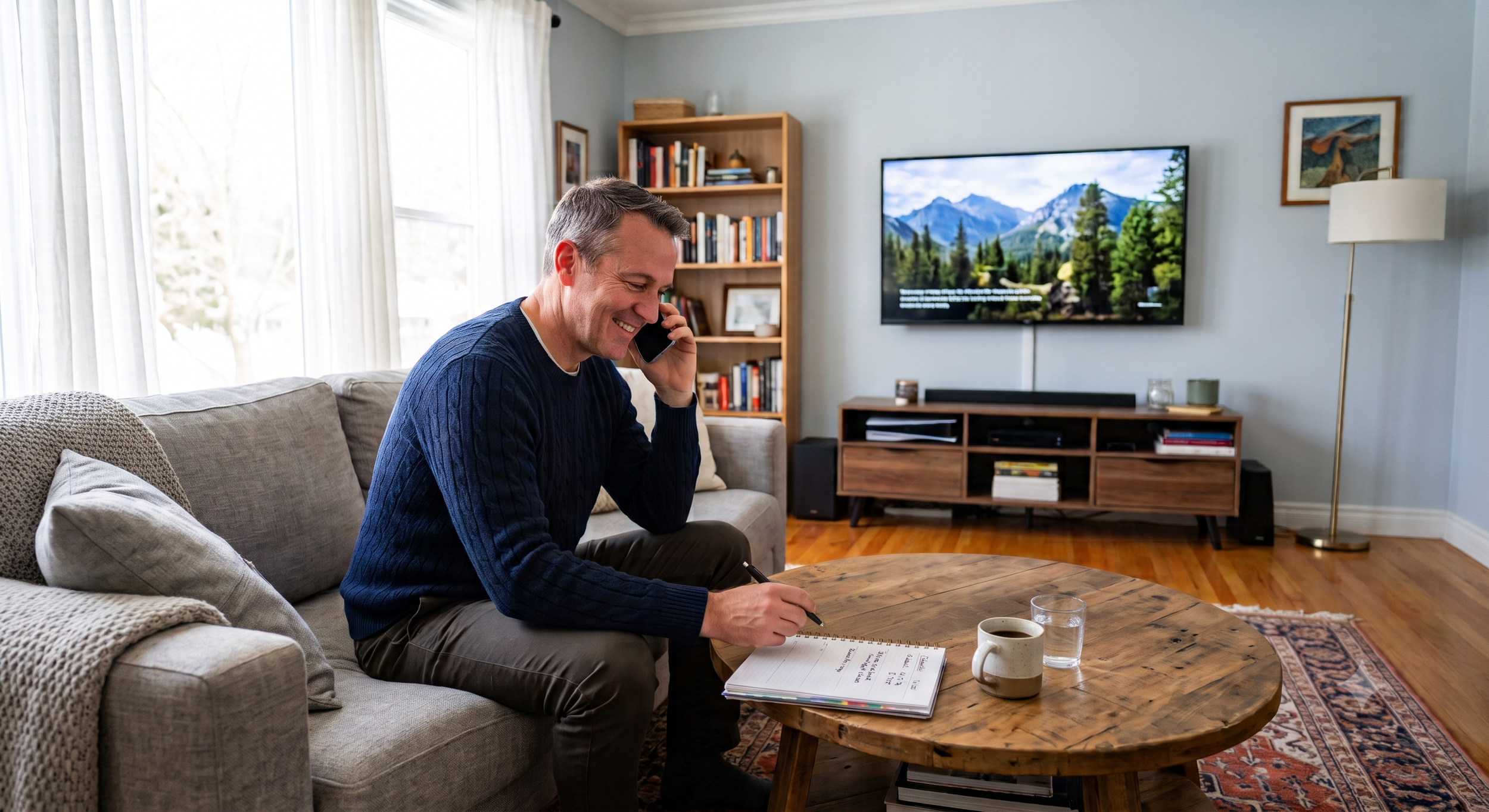
Take the first step in your self-care journey today!
If you or a loved one are feeling overwhelmed by life transitions, anxiety, or burnout, you do not have to navigate this journey alone. Reach out to Arevalo Counseling & Mentoring, PLLC today to schedule a personalized therapy session and take an active step toward reclaiming your emotional well-being.
Further Reading and Resources
For Teens:
Self-Compassion for Teens by Karen Bluth
Based on the Mindful Self-Compassion program, this interactive workbook provides teenagers with practical mindfulness exercises and tactile strategies to silence their inner critic and handle adolescent stress with kindness.
The More or Less Definitive Guide to Self-Care by Anna Borges
This visually appealing, A-to-Z directory offers an inclusive and realistic spectrum of self-care options ranging from setting boundaries to building a blanket fort; designed to help readers nourish their mind, body, and relationships.
For Adults:
The Self-Care Prescription by Robyn L. Gobin, PhD
Written by a licensed psychologist, this evidence-based guide empowers readers to manage stress and anxiety by helping them build a customized, highly structured self-care plan across multiple areas of their life.
Self-Care for Black Men: 5-in-1 Workbook for Mental Health, Self-Love, and Self-Reflection with Journaling and Affirmations by Marcus A. Hayes
This comprehensive guide provides Black men with actionable strategies, reflective journaling prompts, and empowering affirmations designed to build mental resilience, improve communication, and establish healthy lifestyle habits across emotional and financial domains.
For Older Adults:
The Complete Self-Care Guide for Seniors: Enhance Essential Life Skills, Foster Personal Growth, Boost Self-Esteem, and Obtain Optimal Well-Being by Charlene Smith-Byham
This practical handbook offers older adults a holistic roadmap to aging gracefully by focusing on strengthening everyday life skills, nurturing self-esteem, and embracing healthy lifestyle changes for prolonged physical and mental wellness.
The Mindfulness Memory Activity Book for Adults and Seniors by Kennard Shelton
This dual-purpose workbook features 140 engaging puzzles and brain games designed to sharpen cognitive functioning and memory retention while simultaneously promoting relaxation and stress relief through calm, mindful focus.
Disclaimer: The suggestions provided above are solely for informational purposes only and is not a substitute for professional medical or psychological advice, diagnosis, or treatment. Please consult a healthcare provider for personalized support.s. Neither I nor this platform has any financial or other affiliation with the authors, publishers, or distributors of these materials. Please choose resources that best suit your unique needs and preferences. The links to external websites that are not maintained or controlled by ACM, PLLC. These links are provided for informational purposes only and do not constitute an endorsement or guarantee of the content, accuracy, or safety of the linked websites. By clicking on any external link, you acknowledge and agree that ACM, PLLC is not responsible for the privacy practices, security, or content of external sites. We encourage you to review the terms, conditions, and privacy policies of any third-party websites you visit.
Join the Conversation!
We would love to hear from our community. What is one small, non-negotiable self-care practice that you incorporate into your daily routine to stay grounded? Please share your thoughts and experiences in the comments below to help inspire others on their journey toward wellness.
Share your thoughts, questions, or personal experiences in the comments below!